



The Truth About Blue Light & Eye Health
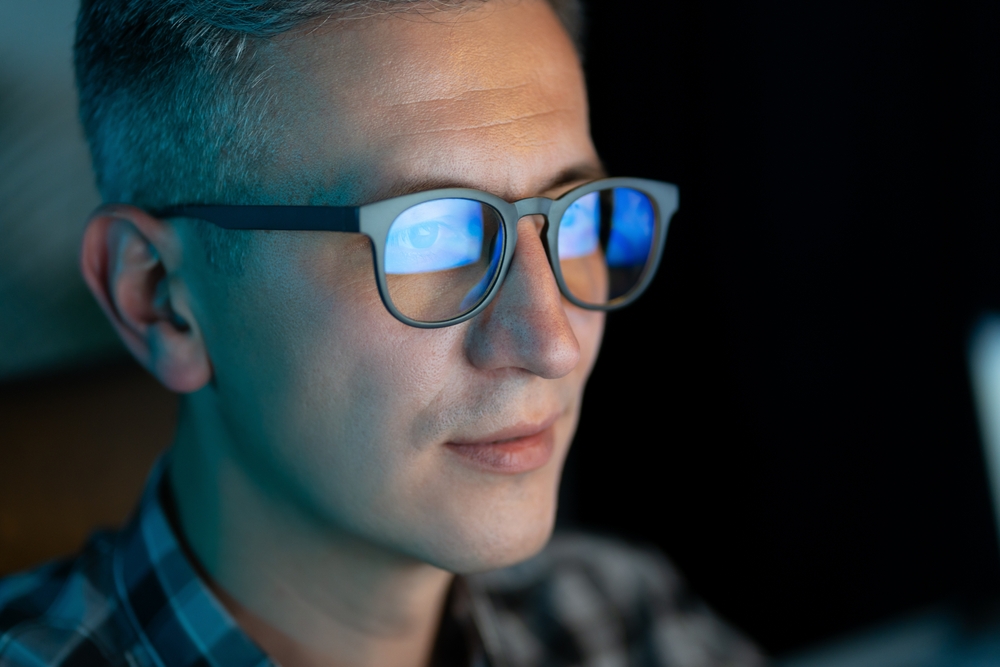
Blue light is a natural part of the visible light spectrum. It comes from the sun, as well as digital screens, LED lighting, and other everyday sources. The topic gets a lot of attention because people now spend hours each day on phones, tablets, and computers. That has led many patients to ask whether blue light is directly harming their eyes or causing long-term damage.
Screens are more often linked to strain than injury
For most people, the bigger issue is digital eye strain rather than damage from blue light itself. Long periods of screen use can lead to tired eyes, blurred vision, headaches, dryness, and difficulty focusing. In many cases, these symptoms are related to how long you are looking at a screen, how often you blink, and whether your prescription is current. Blue light may be part of the conversation, but screen habits usually matter more.
Why your eyes feel worse after long screen time
When you use digital devices for hours at a time, you tend to blink less. That can leave the surface of the eye feeling dry and irritated. Focusing at a near distance for extended periods can also make the eyes work harder. If you already have uncorrected vision problems or dry eye, screen use may make symptoms more noticeable. This is one reason patients often confuse blue light concerns with digital eye strain.
Blue light lenses may help some patients
Blue light filtering lenses are designed to reduce exposure to certain wavelengths from screens and artificial lighting. Some patients say these lenses improve comfort during long workdays or extended device use. They can be a useful option for people who spend much of the day on screens, but they are not a cure-all. The best results often come when blue light lenses are combined with proper eyewear, healthy screen habits, and regular eye exams.
Practical ways to reduce digital eye strain
If screens leave your eyes feeling tired or dry, simple changes may help:
Follow the 20-20-20 rule by looking 20 feet away every 20 minutes for 20 seconds
Blink more often during screen use
Adjust screen brightness and reduce glare
Keep your screen at a comfortable distance
Use artificial tears if recommended by your eye doctor
Make sure your glasses or contact lens prescription is up to date
An eye exam helps separate myth from reality
If you are worried about blue light and eye health, a comprehensive eye exam can help identify what is really causing your symptoms. In some cases, the issue may be dry eye, eye teaming problems, or an outdated prescription rather than blue light alone. A personalized evaluation can also determine whether blue light lenses, anti-reflective coatings, or other solutions make sense for your daily routine.
The best approach is personalized care
The truth about blue light and eye health is that not every patient needs the same solution. Some people benefit from lens options that support screen comfort, while others need treatment for dry eye or updated vision correction. Understanding your symptoms and lifestyle is the best way to decide what will actually help.
For answers about blue light and eye health, contact Family Vision Clinic in Wilmington, NC by calling (910) 392-4414 or visiting 4514 Oleander Dr, Wilmington, NC 28403.


CONTACT INFO
- Address 4514 Oleander Dr Wilmington, NC 28403
- Phone (910) 392-4414
- Fax (910) 392-3153

CLINIC HOURS
- Monday 8:00am - 5:00pm
- Tuesday 8:00am - 5:00pm
- Wednesday 8:00am - 5:00pm
- Thursday 8:00am - 5:00pm
- Friday 8:00am - 5:00pm
- Saturday 8:00am - 2:00pm
- Sunday CLOSED
© 2026 Family Vision Clinic. All rights Reserved. Accessibility Statement - Privacy Policy - Sitemap
Powered by:
